VOL. 1
Squid Puns! Animated


Eight everyday greetings and replies, each with a squid pun hidden inside.
07LINE STICKERS
Animated LINE stickers of the Yamaguchi Ika-bu squid, each with a pun. For everyday greetings, Yamaguchi words and replies to your fishing friends.



Eight everyday greetings and replies, each with a squid pun hidden inside.






Puns on places and words from Yamaguchi: Hōfu, Hagi, Chōshū, fuku and the Kanmon Strait.







Invite, agree, praise, cheer up and calm down — eight squid-pun replies.
PLAYMEET THEM IN THE GAMES
All free. Play right now on your phone.
 Flagship
01
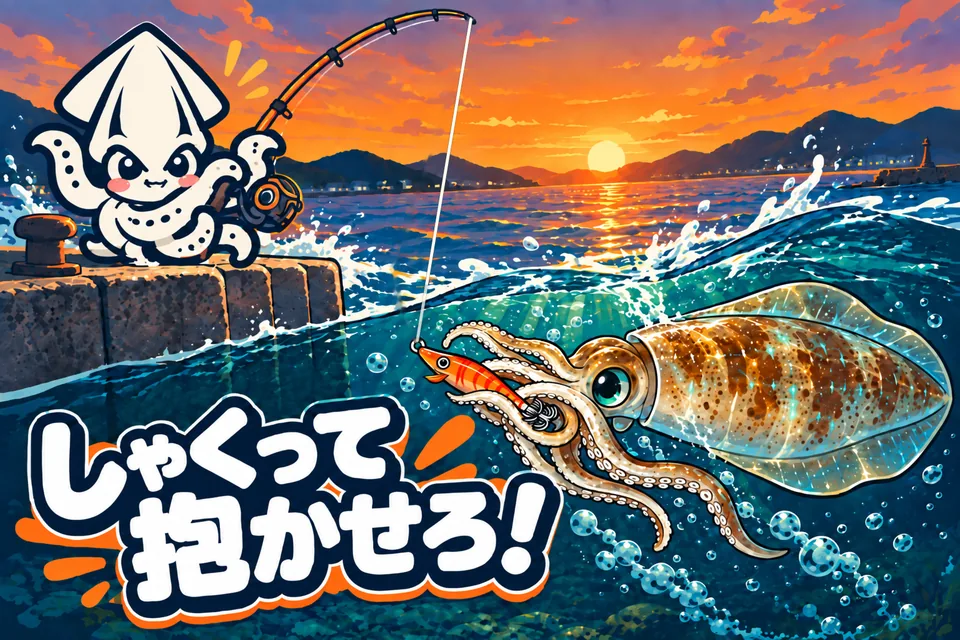
Jerk, fall, hug!
One-button egi fishing. Cast, sink, jerk, and let the squid hug on the fall.
Play
Flagship
01
Jerk, fall, hug!
One-button egi fishing. Cast, sink, jerk, and let the squid hug on the fall.
Play
 A new board every day
02
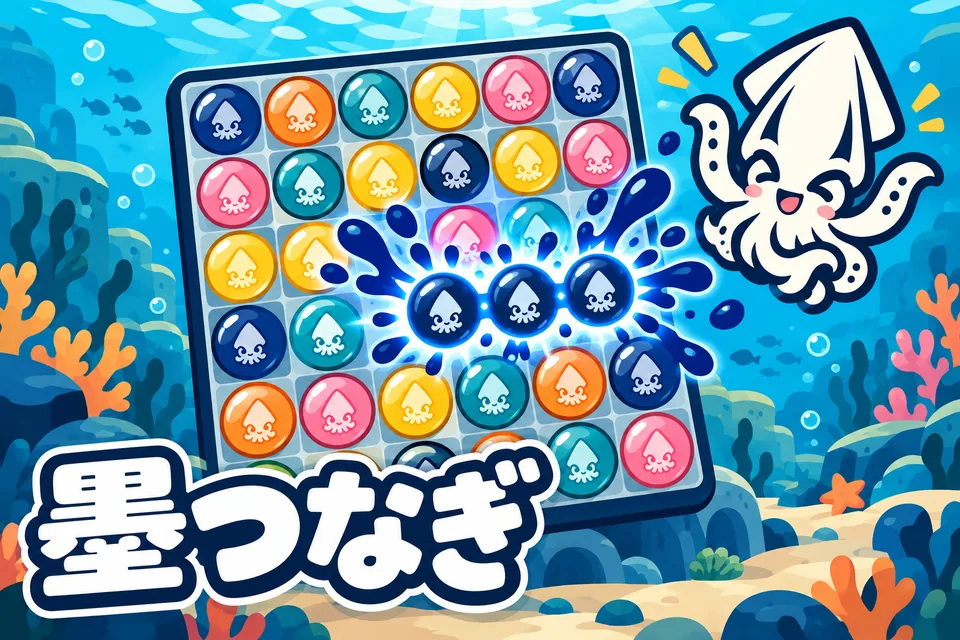
Ink Link
Match three to clear. Includes the timed Ink Escape mode
Play
A new board every day
02
Ink Link
Match three to clear. Includes the timed Ink Escape mode
Play
 Collect cards
03
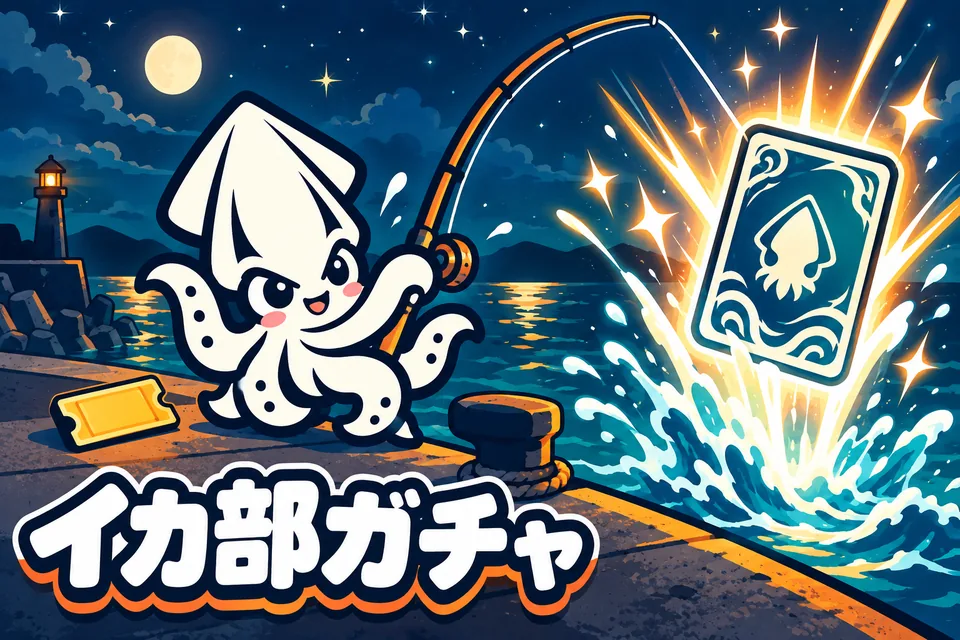
Squid Gacha
Spend 🎫 and reel in cards, eging style
Play
Collect cards
03
Squid Gacha
Spend 🎫 and reel in cards, eging style
Play
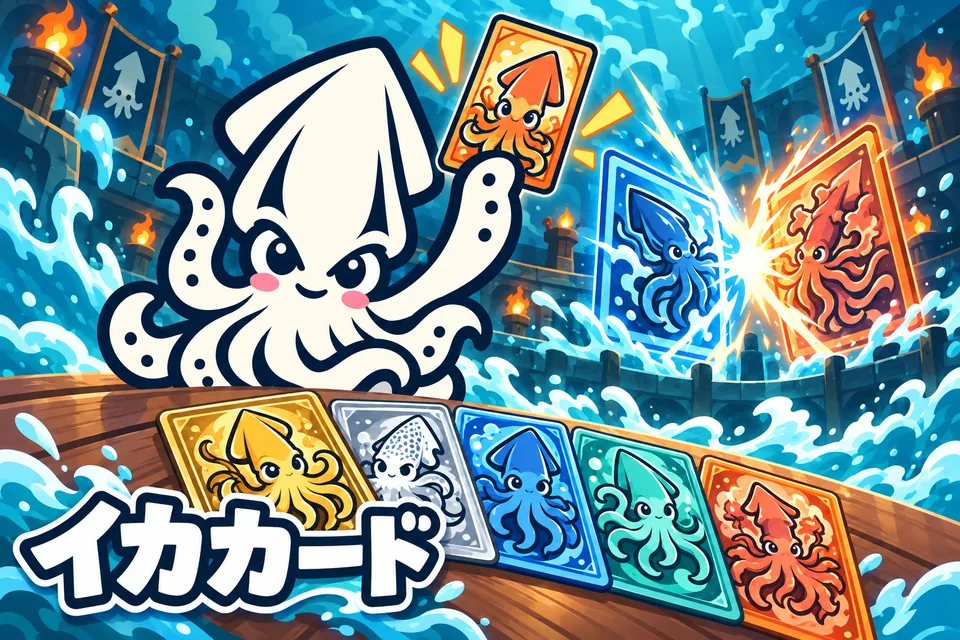 Collect & trade
04
Squid Cards
Collect in your binder, then play card battles and story mode
Play
Collect & trade
04
Squid Cards
Collect in your binder, then play card battles and story mode
Play
PUNINK-REDIBLE WORDS
The word ika hides inside all sorts of Japanese phrases. Here is how each one works, so overseas members can laugh along.

いかが?
How about it?
Ika means squid. Ikaga means “how about…?”

いかしてる!
Looking sharp!
Ikasu is old slang for “cool” — with ika inside.

もう、いかん。
I’m done for.
Ikan means “no good” — a phrase you hear a lot in western Japan.
防府く絶倒!
Hōfu-ku zettō!
Folds the city of Hōfu into hōfuku zettō, “to roar with laughter.”
絶好長州!
Zekkō Chōshū!
Zekkōchō means “in top form”; Chōshū is Yamaguchi’s historical name.
ふくみ笑い。
Fuku-mi warai.
Fukumi-warai is a quiet chuckle; fuku is what Shimonoseki calls pufferfish.

イカ同文
Ditto.
Ika dōbun, “same as above,” sounds exactly like “squid, same text.”

やるしかなイカ
Only one way: do it.
“Yaru shika nai ka” — there’s no choice but to do it — ends in ika.

イカりを下ろして落ち着こ
Drop anchor and calm down.
Ikari means both “anger” and a ship’s “anchor.”