13 species, from Yamaguchi to Japan to the world. Learn a name, a habitat and a little wonder.
13 species shown
YAMAGUCHISquid you can meet in Yamaguchi7
01Coastal
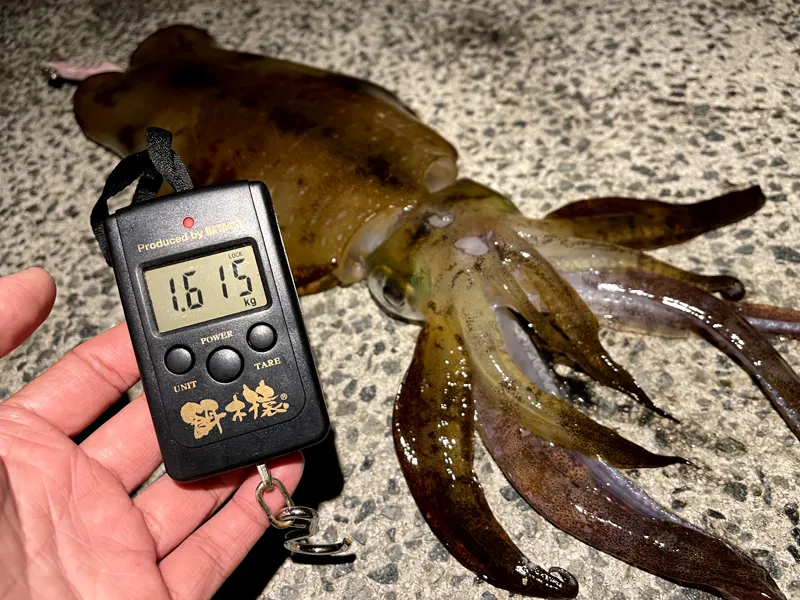
Bigfin reef squid
Sepioteuthis lessoniana
The star of egi fishing.
DetailsClose
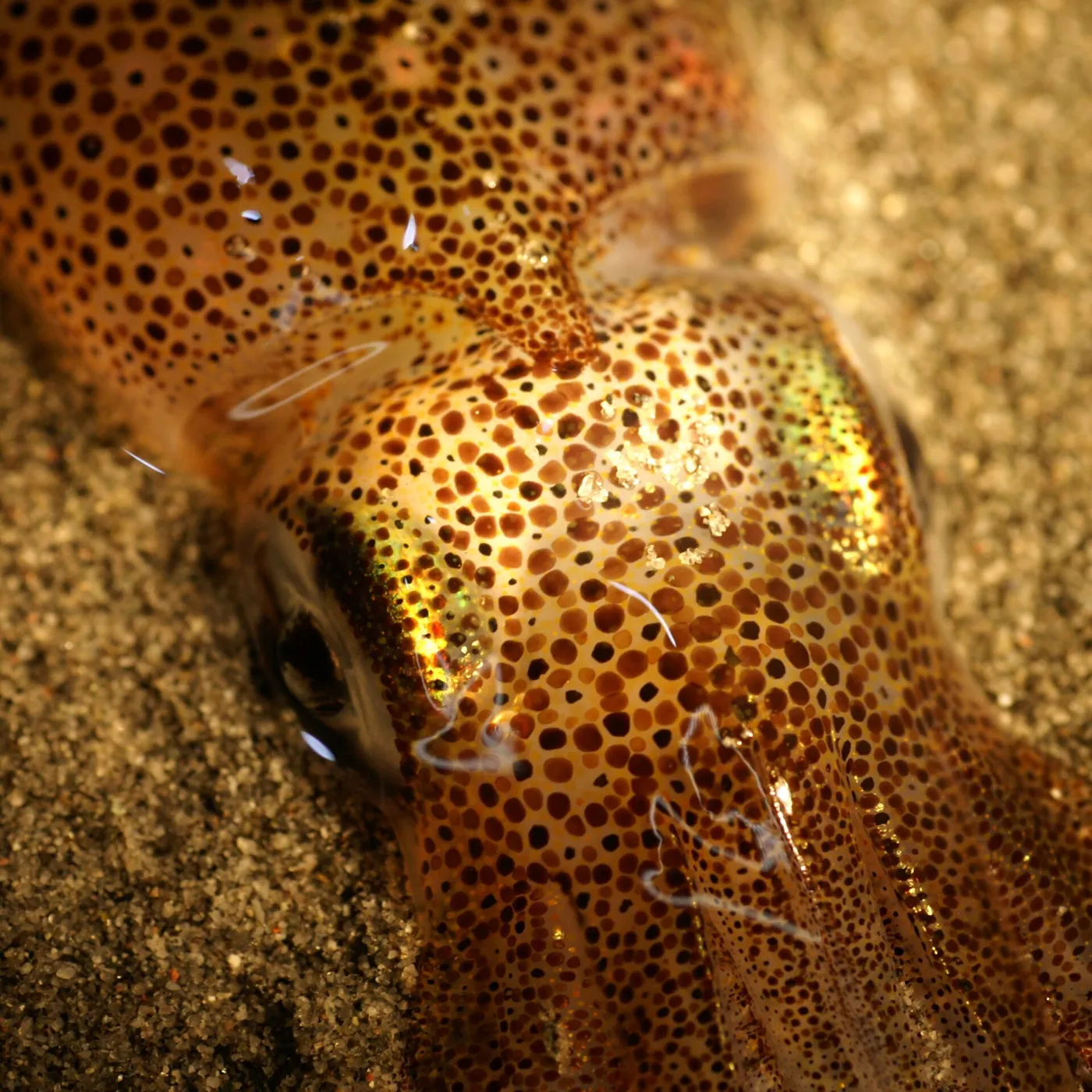
Broad fins run the full length of the mantle. In spring, large adults move into the shallows to spawn; in autumn, the young of the year arrive. Japanese reef squid include several distinct forms, so precise identification from a photo is not reliable.
Season
Spring (large, spawning) / autumn (young of the year)
Member photo wantedHave a photo of a swordtip squid? Post it on the board
02Coastal
Swordtip squid
Uroteuthis edulis
The squid behind Susa Mikoto Ika.
DetailsClose
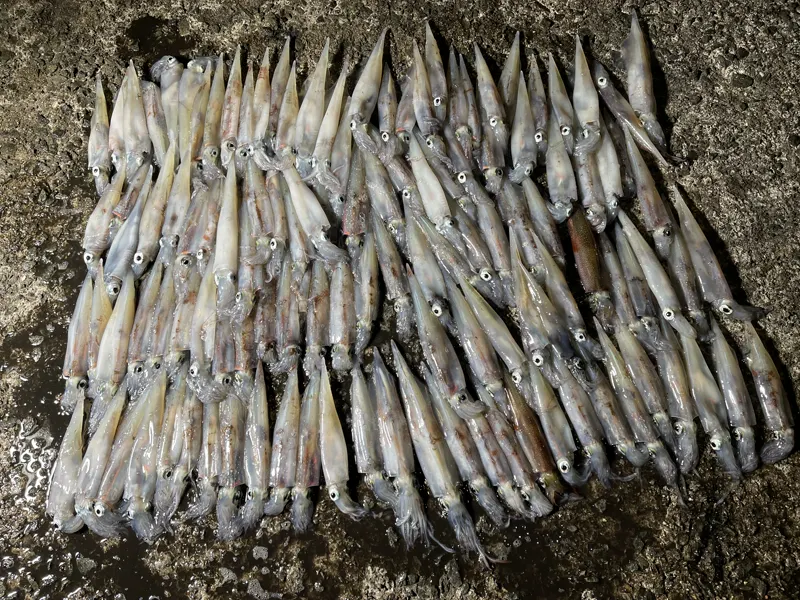
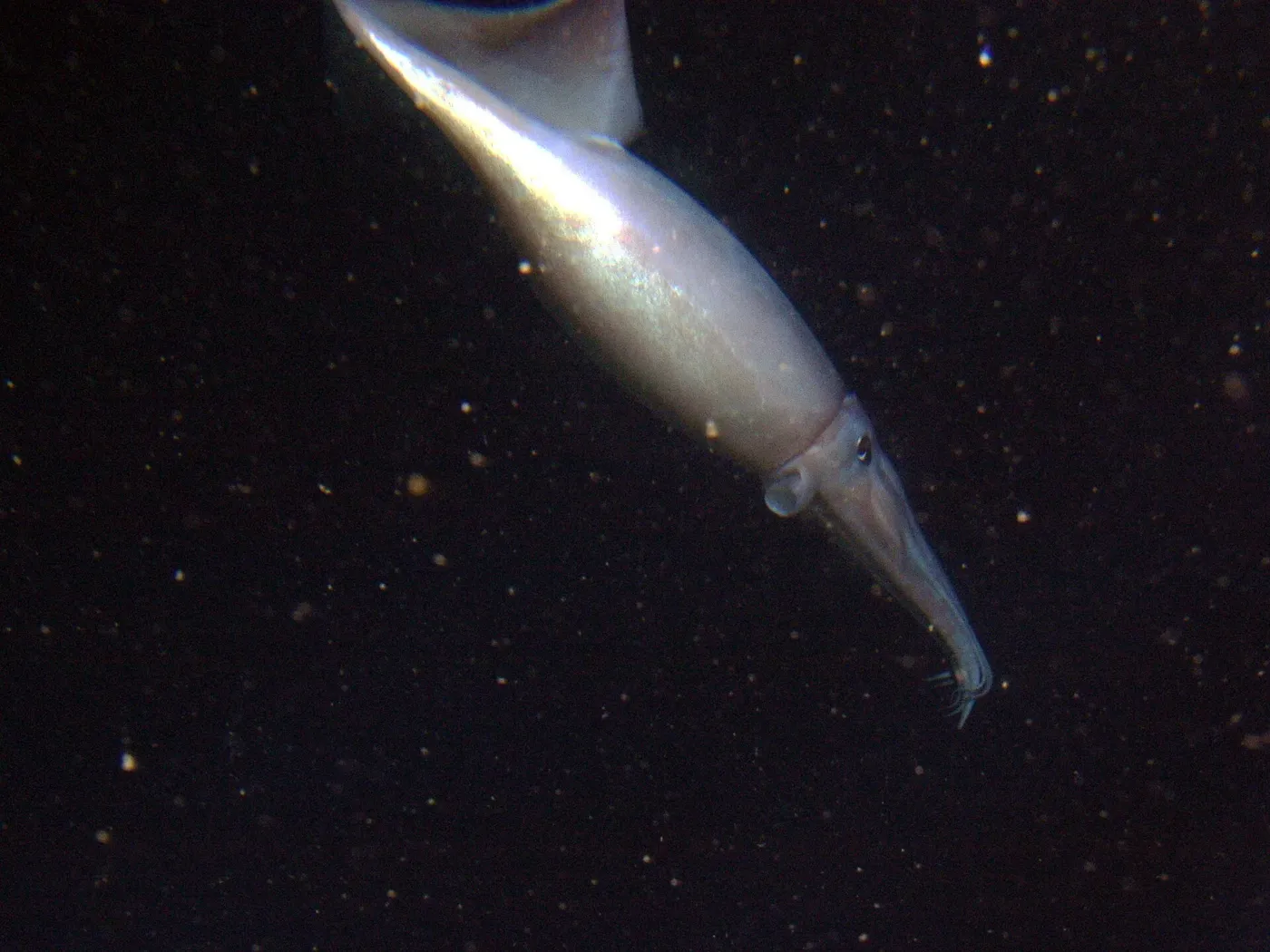
A slender squid with a sharply pointed tail. Live swordtip squid landed at Susa in Hagi are sold under the regional brand Susa Mikoto Ika. On summer nights, metal-jig fishing from lit boats is hugely popular.
A slim squid shaped like a spearhead, with relatively short feeding tentacles. On winter nights schools may gather under lamps along the breakwater — a regular in our fishing vlogs.
Season
Winter to spring, at night
How
Night fishing with lamps from breakwaters, or by boat
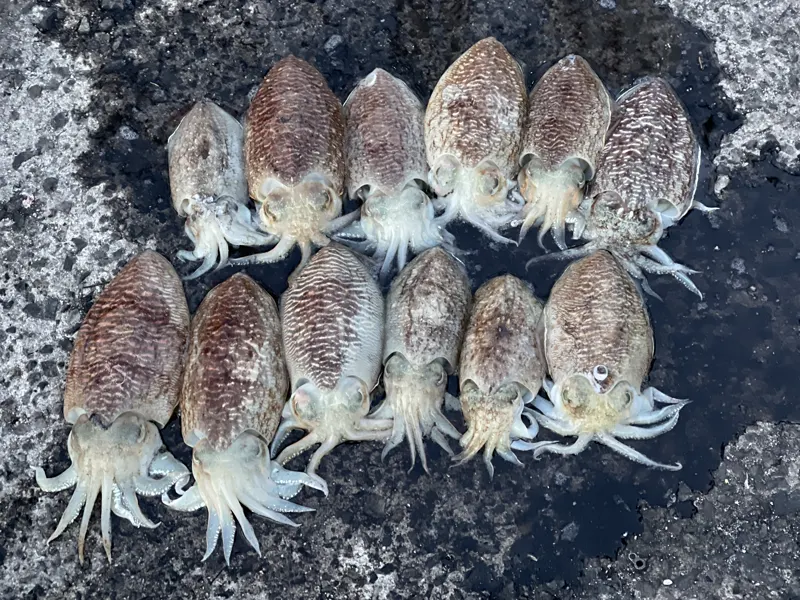
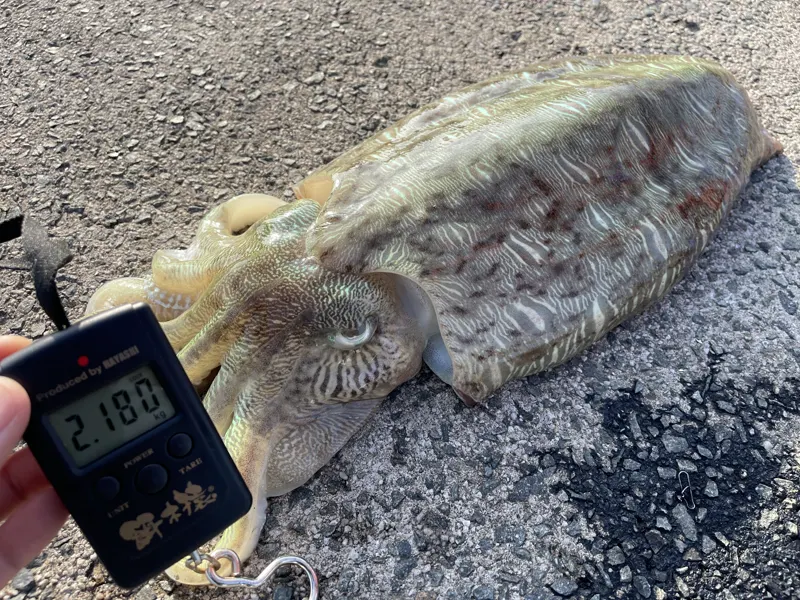
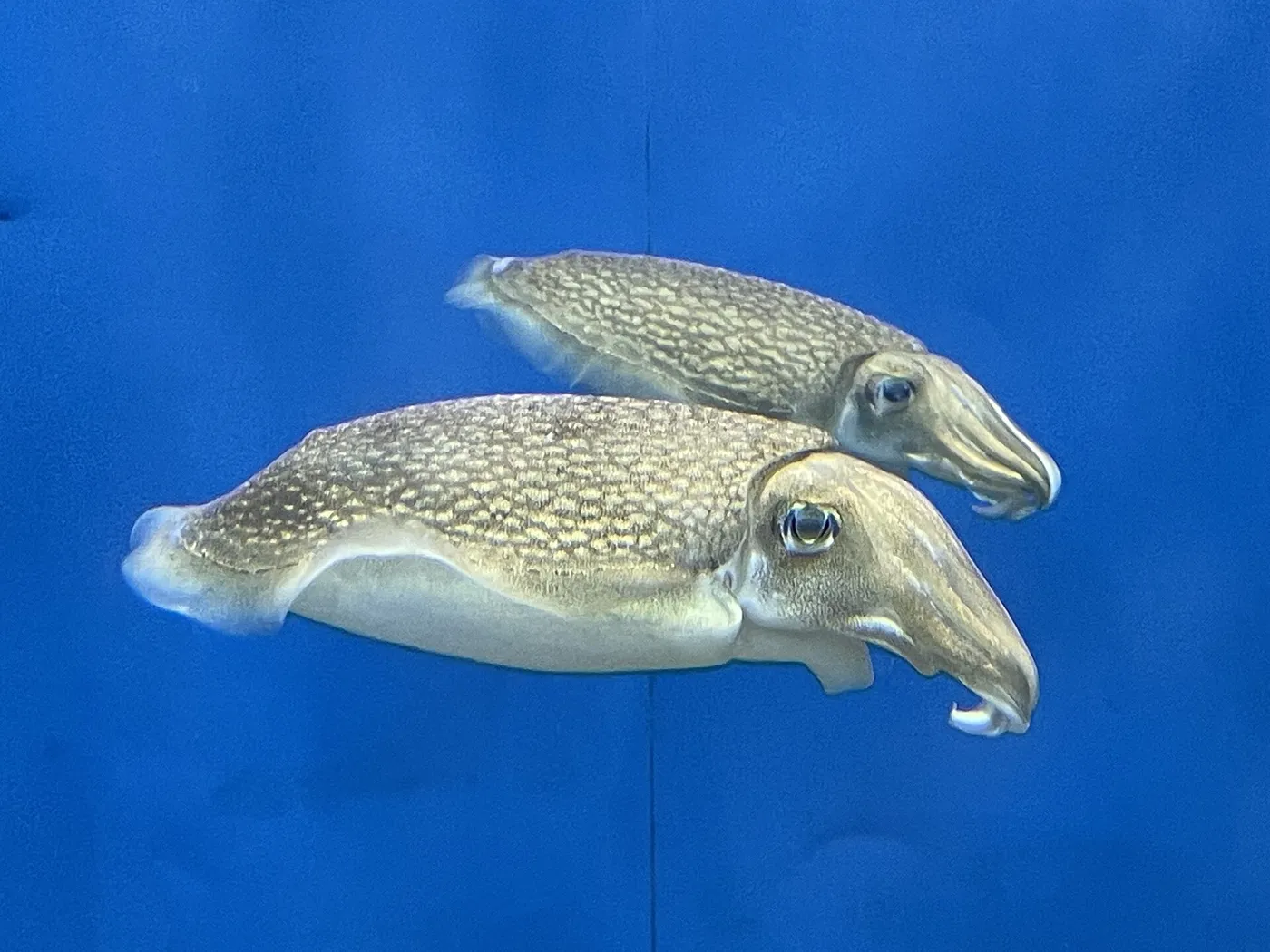
A large member of the cuttlefish family. The giveaway is the coffee-bean-shaped marks scattered across its brown back. In Japanese markets the name mongō-ika is also used for other, imported cuttlefish species.
A gland at the rear of the mantle releases a reddish-brown fluid, making the tail look scorched — hence its Japanese name, “burnt-bottom squid.” Unlike its relatives, its cuttlebone has no spine at the tip.
Member photo wantedHave a photo of a japanese squid (hi-ika)? Post it on the board
07Coastal
Japanese squid (hi-ika)
Loliolus japonica
A palm-sized winter companion.
DetailsClose
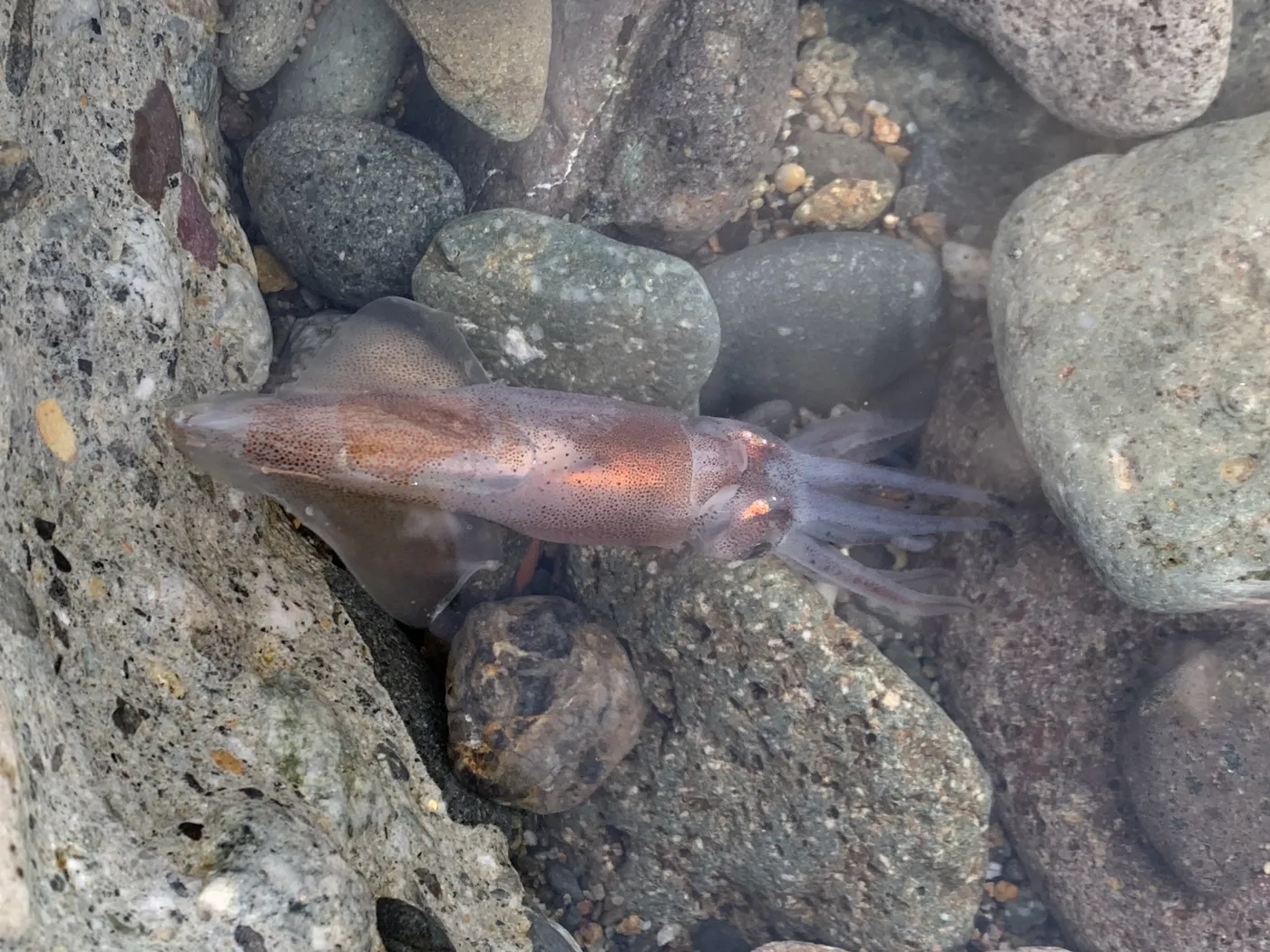
A small squid with a mantle of about 10 cm. On cold nights it gathers around harbor lights, where tiny egi lures do the trick. Often caught in good numbers — a friendly first squid.
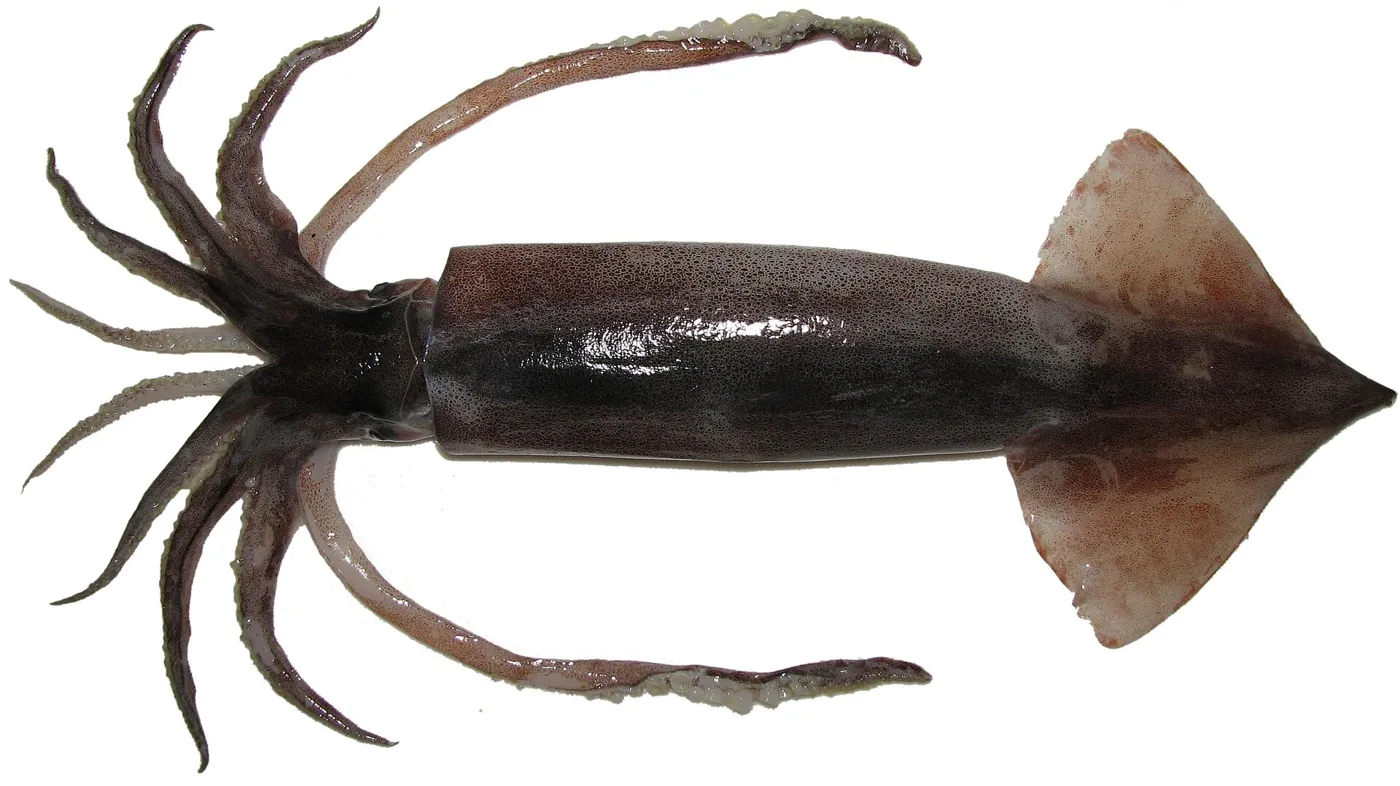
A large squid with a diamond-shaped fin running the length of its body. It roams warm open seas, and is known in Japan as taru-ika along the Sea of Japan and sē-ika in Okinawa.
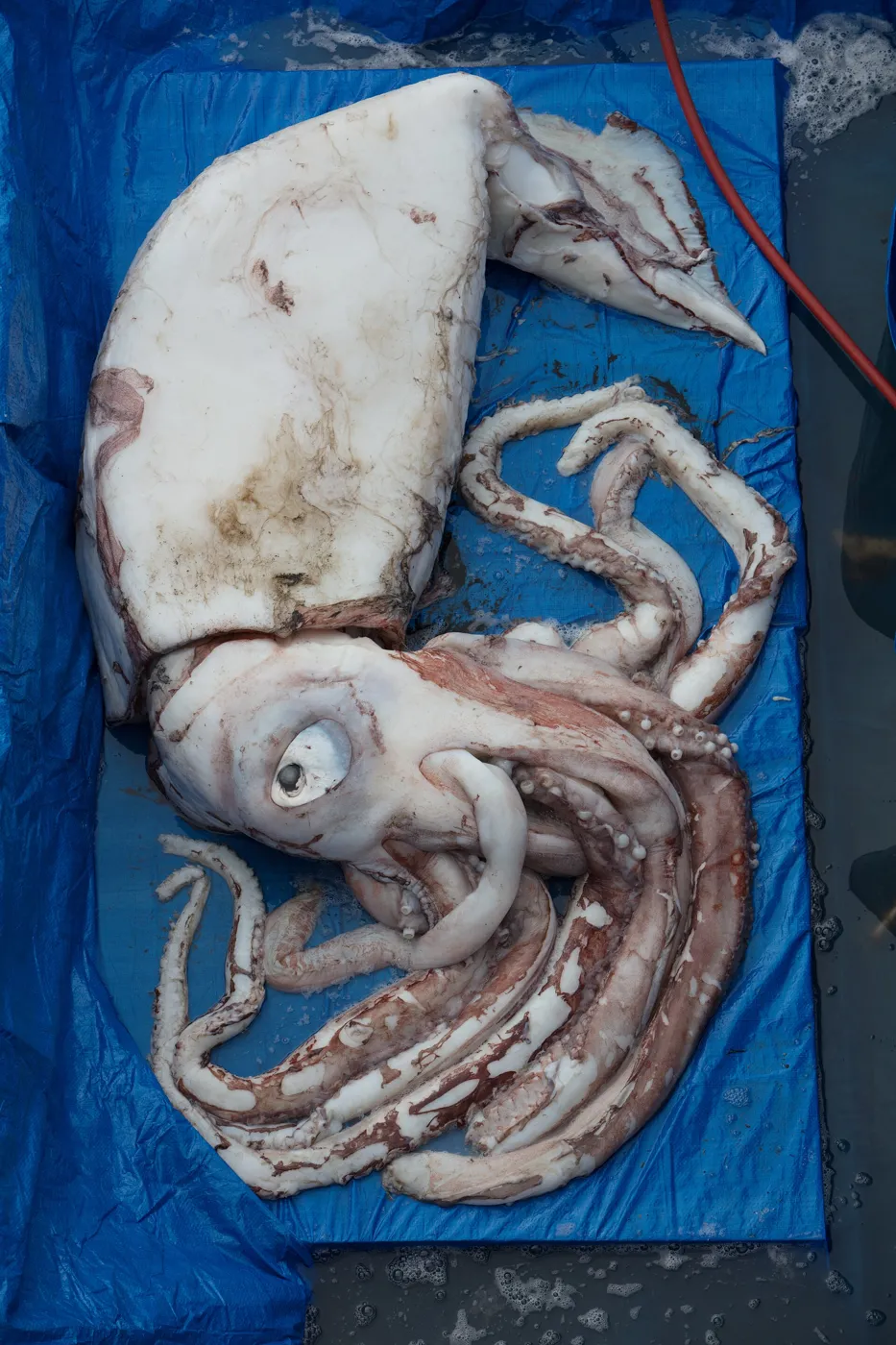
An enormous squid with long feeding tentacles. It is occasionally found in set nets or washed ashore along Japan’s Sea of Japan coast. Much about its deep-sea life remains unknown; specimens and observations help researchers learn more.
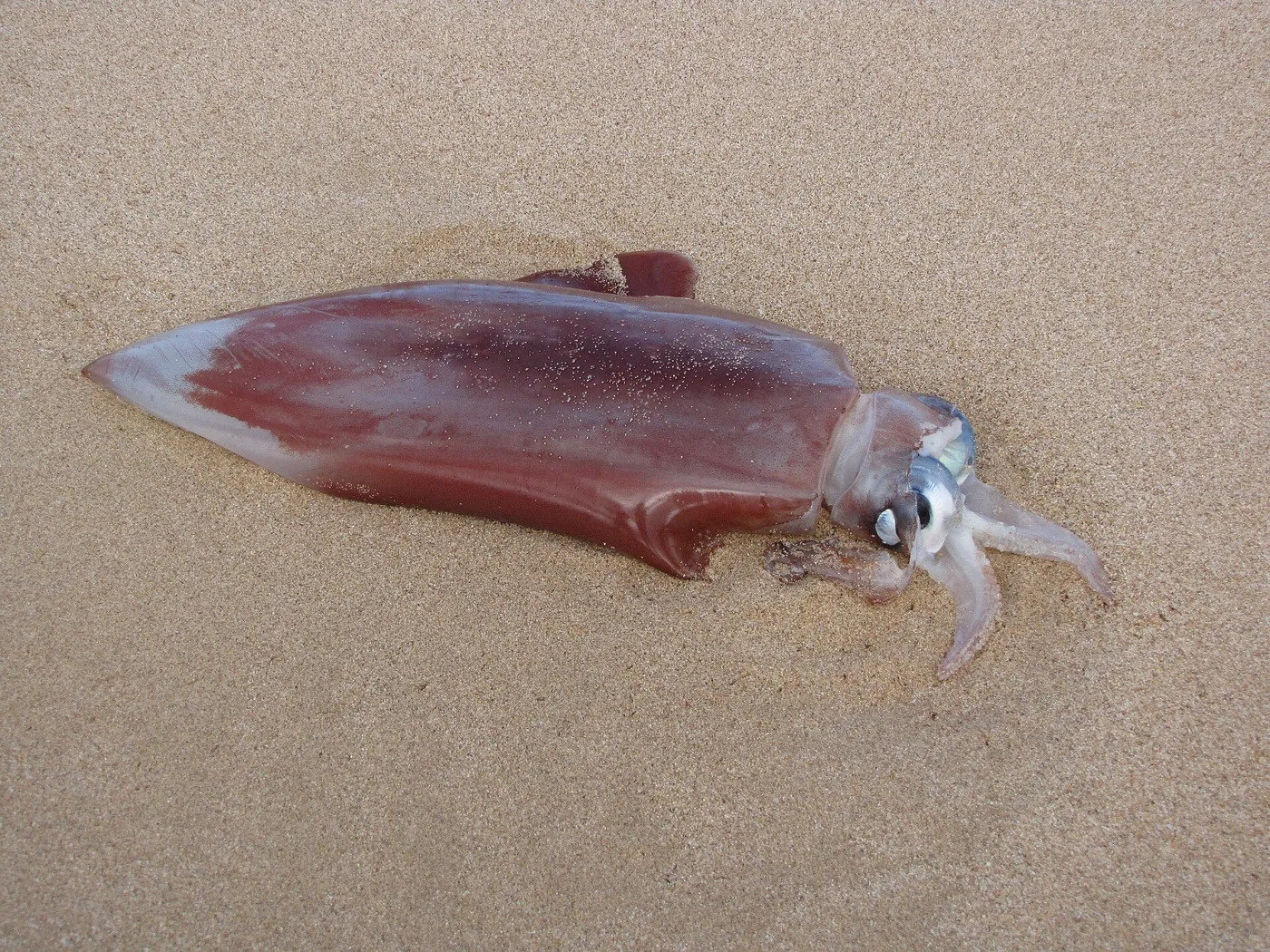
A coastal squid of North America’s west coast. Large spawning schools enter Monterey Bay in spring and fall, linking it to both the marine food web and local fisheries.